
 Celebrating a Major Milestone
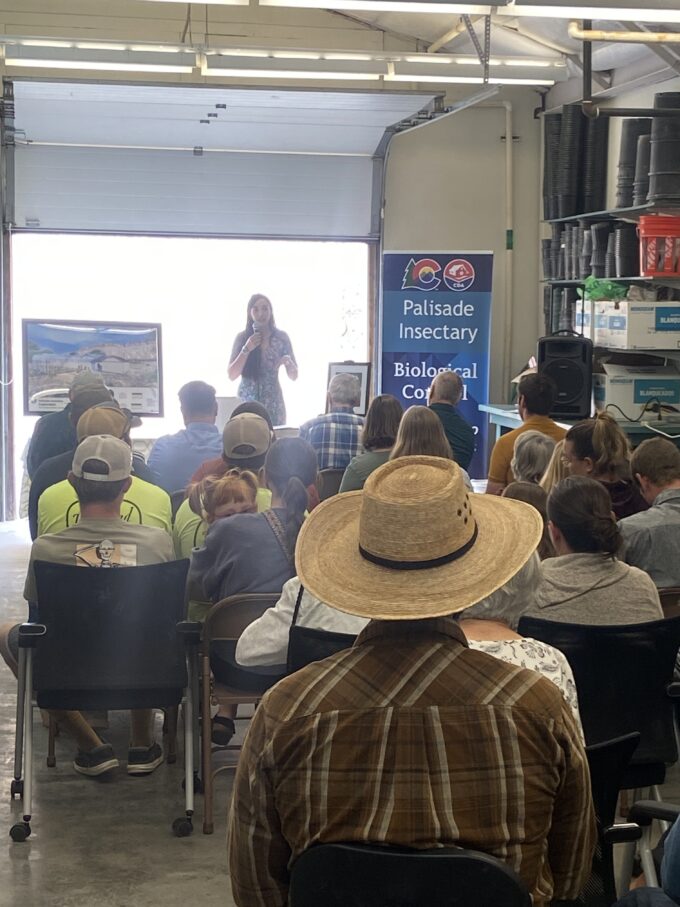
On Monday, March 23, 2026 at 4:00 PM, the Palisade Insectary hosted a ribbon-cutting ceremony. The event marked the completion of a new growhouse building and upgrades to the existing greenhouse facilities. The ceremony highlighted years of planning, collaboration, and innovation. Immediately afterward, guests attended a reception and connected with project contributors and community members.
A New Growhouse Designed for Innovation
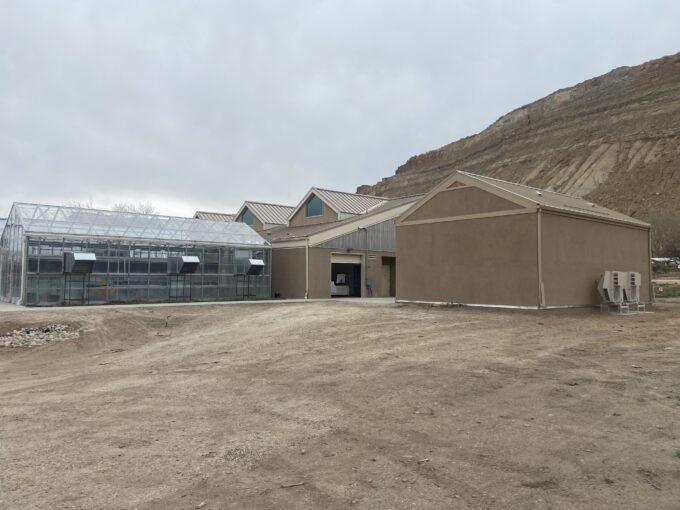
The new growhouse represented a major step forward for the Insectary’s mission. Unlike traditional greenhouses, the facility had no windows. Instead, it relied entirely on advanced LED lighting systems. Each of the four grow rooms operated with precise temperature controls. As a result, researchers extended growing cycles beyond natural seasonal limits. This controlled environment improved both efficiency and consistency. Moreover, the growhouse enabled expanded cultivation of noxious weeds. While this approach seemed unusual, these plants played a critical role in research. They supported the development and deployment of biological control agents.
Supporting the Science of Biological Control
Biological control offered a sustainable alternative to chemical pest management. This method used natural enemies to control invasive weeds and harmful pests.
The Palisade Insectary played a central role in this effort across Colorado. It imported, raised, studied, and distributed beneficial organisms statewide. Readers can learn more about biological control through resources like:
Over the years, the Insectary built an impressive legacy. Since its founding in 1945, more than 90 insects and fungi had been studied and released. These organisms helped manage invasive species naturally and effectively.
Why Biological Control Matters
Biological pest control delivered several key benefits. First, it reduced long-term costs for landowners and agricultural operations. Natural systems often required less maintenance once established. Second, it decreased reliance on chemical pesticides. Consequently, fewer harmful substances entered soil and water systems. This shift protected ecosystems and improved environmental health. Finally, it created a self-sustaining solution. Beneficial insects established populations that provided ongoing pest control. Therefore, this approach offered a long-term and environmentally responsible strategy.
Project Design and Collaboration
The success of the new growhouse reflected strong collaboration among experts. EVstudio led the project’s full design scope. This included architectural, civil, structural, and MEP engineering services. EVstudio was honored to be part of the ribbon cutting for the Department of Agriculture Insectary Project in Palisade, CO.
A big thanks to our project partners:
Several key team members played important roles in bringing the project to life:
- Jana Hutkova, Co-Director of the Industrial and Commercial Studio
- Katelyn Wager, P.E., Structural Engineer and Principal
- Jon Anderson, P.E., Director of MEP and Principal
Their combined expertise ensured the facility met both scientific and operational needs. Additionally, the design supported long-term adaptability and efficiency.
Looking Ahead
The completion of the growhouse signaled a promising future for biological control in Colorado. With improved research capabilities, the Insectary expanded its impact statewide.
Events like this ribbon-cutting also strengthened community awareness. They highlighted how science and sustainability worked together to solve real-world problems.
The event successfully celebrated innovation, collaboration, and environmental stewardship at the Palisade Insectary.


