How Accessible Unit Plans Improve Multi-family Projects
Multi-family housing continues to evolve in cities and growing communities. Developers now focus on livability, comfort, and long-term usability. However, many projects still overlook a key design foundation. Accessible unit plans improve how residents live, move, and interact within multi-family buildings.
Today’s renters expect homes that support flexibility and ease of use. Therefore, accessibility should guide every stage of multi-family design. Inclusive planning creates better experiences for residents of all ages and abilities.
Accessible Design Improves Daily Living
Accessible unit plans improve everyday life across multifamily communities. Wider hallways allow residents to move more freely through shared spaces. They also simplify moving furniture and carrying large items.
Open floor plans improve circulation between living areas. As a result, residents can navigate kitchens, bedrooms, and living rooms without obstacles. This creates a more comfortable and spacious environment.
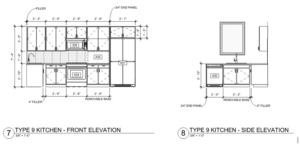
Accessible kitchens support easier use for all residents. Lower counters help seated users work comfortably. Additionally, pull-out shelves reduce the need for bending and reaching.
Bathrooms also benefit from accessible design. Walk-in showers reduce trip hazards and improve safety. Likewise, grab bars add support while maintaining a modern appearance.
The Americans with Disabilities Act (ADA) provides guidelines that help shape accessible and inclusive building design.
Accessible Unit Plans Support All Residents
Accessible design supports more than just individuals with disabilities. It also helps older adults, families with children, and temporary injuries. Therefore, accessibility benefits a wide range of residents.
Step-free entries make it easier for everyone to enter buildings. Strollers, carts, and mobility devices all move more smoothly. As a result, daily routines have become simpler and safer.
Wider doorways improve movement throughout units. Residents can transition between rooms without tight spaces or obstacles. This makes apartments more adaptable to different needs.
Flexible layouts also support changing lifestyles. Rooms can serve multiple purposes over time. Consequently, residents can adjust their living space as their needs evolve.
This type of environment supports independence and dignity throughout life.
Shared Spaces Benefit from Accessibility
Multi-Family buildings rely on shared spaces such as lobbies, hallways, and amenities. These areas must remain easy to navigate for all residents.
Accessible pathways improve movement through common areas. Elevators should remain easy to locate and use. Additionally, automatic doors help residents move in and out of buildings smoothly.
Amenity spaces also require thoughtful planning. Fitness rooms, lounges, and outdoor areas should include clear circulation paths. Seating and equipment layouts should support easy access for everyone.
Outdoor areas benefit from ramps and smooth walkways. As a result, residents can enjoy community spaces without barriers or limitations.
Accessibility Creates Better Long-Term Living Environments
Multi-Family housing must adapt to changing resident needs over time. Accessible unit plans support long-term comfort and usability.
Open layouts allow rooms to serve different purposes. A bedroom can become a workspace or care space when needed. Therefore, flexibility becomes a key part of a good design.
Accessible bathrooms and kitchens also support long-term use. Features such as walk-in showers and reachable storage improve daily independence. Likewise, durable materials help maintain safety and comfort.
These design choices help residents remain comfortable in their homes through different life stages. As a result, multifamily communities have become more adaptable and inclusive.
The Future of Multi-Family Design Is Inclusive
Multi-Family housing will continue evolving with changing lifestyles and expectations. Residents want spaces that feel practical, flexible, and welcoming.
Accessibility must remain central to that evolution. It should guide how architects design unit layouts, shared spaces, and building systems.
When developers prioritize accessibility early, they create better living environments for everyone. Inclusive design improves movement, comfort, and independence throughout multi-family communities.
Ultimately, accessible unit plans strengthen the quality of multi-family housing by ensuring every resident can live with ease and dignity
Written by: Blythe Lee