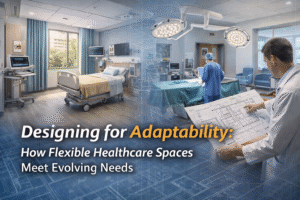
Designing for Adaptability: Creating Buildings That Evolve Over Time
Buildings today must do more than meet immediate needs. Owners, operators, and communities increasingly expect spaces to adapt over time as programs change, technology advances, and regulations evolve. Designing for adaptability helps projects remain functional, efficient, and cost-effective throughout their lifecycle.
Adaptable design is not about predicting every future use. Instead, it focuses on flexibility, coordination, and long-term performance. When teams consider adaptability early, they reduce the risk of costly renovations and operational disruptions later.
Planning for Change From Day One
Early planning plays a critical role in creating adaptable buildings. Structural systems, floor-to-floor heights, and circulation layouts influence how easily spaces can change over time. When designers allow for future flexibility, buildings can accommodate new uses without extensive reconstruction.
Building Systems Should Support Flexibility
Mechanical, electrical, and plumbing systems often limit a building’s ability to adapt. Thoughtful system layouts, accessible distribution paths, and logical zoning allow future modifications with minimal impact. Coordination between engineering disciplines ensures that systems work together efficiently while leaving room for growth.
Code and Compliance Considerations
Changes in building use often trigger code and permitting requirements. Designing with potential future occupancies in mind can reduce compliance challenges down the road. Clear documentation and proactive coordination with authorities help projects remain adaptable without sacrificing safety or performance.
Adaptability Supports Long-Term Value
Adaptable buildings protect long-term investments. Spaces that evolve with tenant needs, operational demands, or community growth maintain relevance longer and reduce lifecycle costs. This approach supports sustainability goals by extending the useful life of existing structures.
Designing With the Future in Mind
Adaptability requires collaboration across architecture, engineering, and planning disciplines. When teams align early and design intentionally, buildings can respond to change rather than resist it. The result is a flexible, resilient environment that continues to serve users well into the future.