Modular Construction: A Revolution in Sustainable Building Design
Modular construction is transforming how we build. It offers a smarter, greener alternative to traditional construction methods. As sustainability becomes a global priority, modular design stands out for its efficiency, reduced waste, and environmental benefits.
What Is Modular Construction?
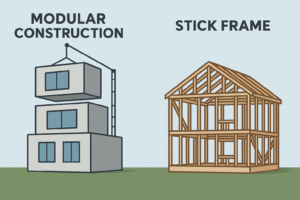
Modular construction involves fabricating building components off-site in controlled environments. These modules are then transported and assembled on-site. This method reduces on-site disruption, improves quality control, reduces waste, and also reduces build times.
Waste Reduction Through Precision Manufacturing
Traditional construction often generates significant waste. Materials like wood, concrete, and packaging are frequently discarded. Modular construction changes that. In factories, machines cut materials precisely, minimizing excess. According to the Modular Building Institute, this approach can reduce waste by up to 90%.
Moreover, off-site fabrication allows for better inventory management. Builders reuse leftover materials for future projects. This practice supports a circular economy and reduces landfill contributions.
Energy Efficiency and Lower Carbon Footprint
Modular buildings often use energy-efficient designs and materials. Because modules are built in climate-controlled settings, energy use is optimized. This reduces the carbon footprint of the construction process.
Transportation logistics also improve. Fewer deliveries and shorter build times mean less fuel consumption. According to Bespoke Modular Solutions, modular construction helps lower emissions from both manufacturing and transport.
The factory setting enables better insulation installation and tighter building envelopes, which improve the long-term energy efficiency of the project in addition to the up-front energy savings.
Sustainable Materials and Reuse Potential
Modular construction encourages the use of sustainable materials. Builders often choose recycled steel, low-VOC finishes, and renewable wood. These choices reduce environmental harm and improve indoor air quality and can increase the captured carbon of a project.
Additionally, modular buildings are easier to disassemble and repurpose. Modules can be relocated or reconfigured for new uses. This flexibility extends the building’s life and reduces demolition waste.
Faster Builds, Less Site Disruption
Speed is another sustainability advantage. Modular projects finish 30–50% faster than traditional builds. This reduces noise, dust, and traffic at construction sites. Shorter timelines also mean fewer emissions from machinery and labor.
In remote or sensitive environments, modular construction minimizes ecological disturbance. For example, projects in the Northwest Territories used modular units to reduce permafrost damage.
Challenges and Opportunities Ahead
Despite its benefits, modular construction faces challenges. Transportation logistics, design limitations, and regulatory hurdles can slow adoption. However, innovation continues to address these issues. As technology improves, modular construction will become even more sustainable.
A Greener Path Forward
Modular construction offers a powerful solution for sustainable design. It reduces waste, lowers emissions, and promotes material reuse. As the world seeks greener building practices, modular methods will lead the way.