Neuro-Inclusive Design in Multifamily Housing
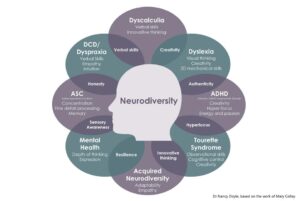
Neuro-inclusive design creates environments that support people with diverse neurological needs. It acknowledges how different brains process light, sound, color, and space. It also recognizes that sensory experiences vary widely across individuals. Multifamily housing can greatly benefit from this approach because residents rely on these spaces every day.
Key Terms in Neuro-Inclusivity
Neurodiversity describes natural differences in how people think, learn, and sense information. These differences belong to everyone.
Neurodivergent describes people whose brains function outside typical patterns. This group includes autistic individuals, ADHD individuals, and many others.
Neuro-inclusive design creates environments that welcome and support these differences. It reduces sensory stress and improves daily comfort.
Sensory regulation refers to how people manage incoming sensory information. Some individuals seek strong sensory input. Others need less. Neuro-inclusive design helps both groups feel balanced.
Conditions Considered in Neuro-Inclusive Environments
Neuro-inclusive design addresses a wide spectrum of conditions. This includes autism, ADHD, sensory processing disorder, PTSD, anxiety, dyslexia, and other cognitive differences. It also supports people recovering from trauma or brain injury.
Each group processes sensory information differently. Some people experience sensory overload. Others need movement or tactile input to stay calm. Therefore, flexible and layered design strategies work best.
Core Sensory Strategies for Multifamily Housing
Natural Daylighting
Natural light improves focus and supports healthy circadian rhythms. However, glare can overwhelm many neurodivergent individuals. Designers can soften daylight with light shelves, diffused glazing, and operable shading. They can also balance natural light with soft ambient lighting. This layered approach stabilizes comfort levels throughout the day.
North-facing windows work well for many residents because they reduce harsh contrast. Designers can also use clerestories to spread daylight more evenly across rooms. Controlled daylight avoids overstimulation while still offering needed natural cues.
Sensory-Friendly Lighting Systems
Lighting strongly influences mood and cognitive comfort. Many neurodivergent individuals struggle with harsh light or flicker. Flicker from some LEDs can cause headaches, anxiety, or distraction. Therefore, designers should use high-quality LEDs with flicker-free drivers.
Dimmable lighting gives residents more control. Tunable white lighting also helps because it shifts color temperature gently throughout the day. Warm light supports relaxation. Cooler light supports focus. Visual comfort increases when lighting offers consistent brightness and avoids glare.
Acoustic Comfort and Privacy
Sound strongly affects people with sensory sensitivities. Echoes, footsteps, and mechanical noise can cause stress and anxiety. Designers can reduce this noise with carpet tiles, acoustic panels, and soft furnishings. These materials absorb sound and create calmer interiors.
Mechanical rooms should not share walls with living spaces. Ducts should include acoustic lining. Doors should seal well to reduce hallway noise. In common spaces, sound-absorbing ceiling tiles reduce reverberation. These strategies help residents concentrate and relax.
Muted and Calming Color Palettes
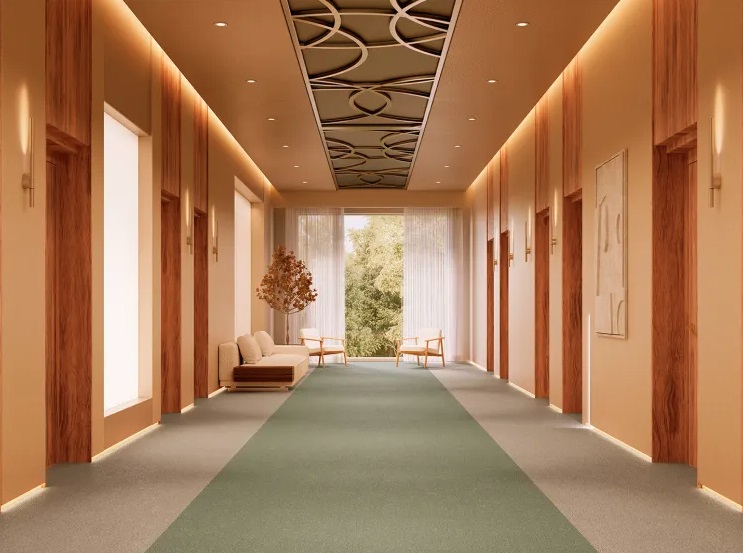
Color affects emotional and cognitive processing. Strong colors can overwhelm sensitive individuals. Muted palettes work better because they provide calm visual cues. Soft greens, warm grays, and earth tones often support relaxation.
Designers should avoid high-contrast patterns that strain the eye. Instead, they can use textured materials that add depth without chaos. Wood, stone, and fabric surfaces can deliver warmth and comfort.
Spatial Strategies That Reduce Stress
Predictable and Legible Layouts
Clear layouts reduce anxiety. Residents feel calmer when hallways remain simple and sightlines remain open. Wayfinding improves when designers use strong visual cues, consistent materials, and clear signage. Predictability reduces cognitive strain.
Calming Retreat Zones
Neurodivergent individuals often need quiet spaces for regulation. Multifamily communities can offer small retreat rooms near lobbies or lounges. These rooms may include soft seating, dimmable lights, and acoustic treatment. Residents can use these rooms to decompress during stressful moments.
Balanced Sensory Stimulation in Amenities
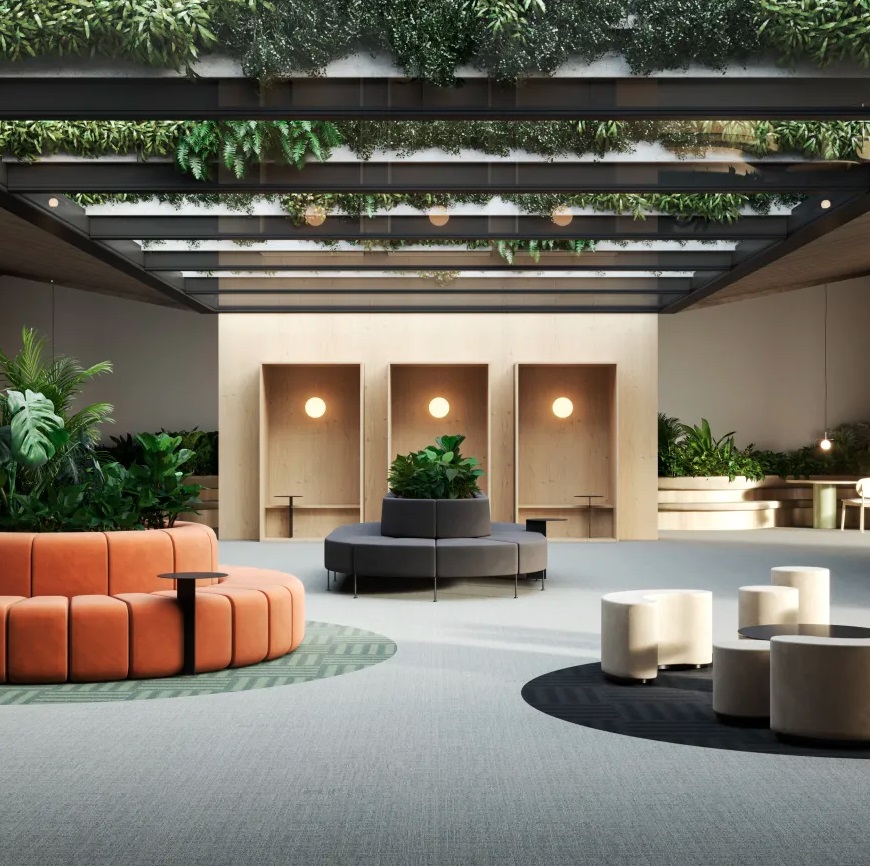
Common spaces should avoid overwhelming stimuli. Gyms, lounges, and coworking rooms should use warm lighting and adequate sound absorption. Designers can offer zones with different sensory intensities. This lets residents choose the environment that best fits their needs at that moment.
Design of Individual Living Units
Flexible Lighting Within Units
Units should include dimmable fixtures and warm ambient lighting. Task lighting should remain optional and adjustable. Bedroom lighting should stay warm and low-glare. Simple lighting controls help residents adapt each room to their sensory needs.
Acoustic Protection Within Units
Wall assemblies should include insulation that blocks airborne sound. Floor underlayments reduce footstep noise. Bedrooms should not share walls with elevators or trash rooms. This addresses both sleep quality and mental well-being.
Calming Interior Finishes
Residents benefit from smooth textures, soft colors, and low-contrast materials. Wood floors can feel calm and natural. Matte paint reduces glare. Soft bathroom lighting helps many individuals start and end their day calmly.
Supportive Layout and Storage
Neuro-inclusive units use simple layouts that reduce visual clutter. Adequate storage keeps items organized. Clear sightlines help residents move through the unit with confidence. Homes feel less stressful when clutter stays out of sight.
Design of Common Spaces and Amenities
Welcoming Entries
Entry lobbies should feel calm and predictable. Designers should avoid high-contrast floors and bright feature lighting. Acoustic panels or rugs help manage sound. A soft scent or neutral smell keeps the space approachable.
Community Rooms
Community rooms should use acoustical ceilings and soft materials. Control of lighting and temperature should be simple. Furniture should support different sensory preferences. Some residents may prefer soft seating. Others may prefer upright chairs for focus.
Hallways and Circulation
Corridors should include consistent lighting and simple finishes. Avoid sudden lighting shifts. Keep patterns minimal. Wayfinding should feel intuitive. These elements support residents who struggle with visual complexity.
Durability, Resilience, and Cost Considerations
Neuro-inclusive design must balance comfort with durability. Multifamily buildings require long-lasting materials. Designers can choose soft acoustical finishes that withstand wear. They can select muted colors that hide scuffs. High-quality LEDs provide comfort while reducing energy use.
Operators also benefit from resilient systems that maintain stable performance. Mechanical systems should run quietly and efficiently. Residents feel safer in environments that stay consistent and predictable. Neuro-inclusive design does not need to increase costs dramatically. It requires thoughtful choices that support both people and long-term operations.
Creating Housing That Supports Everyone
Neuro-inclusive design strengthens community well-being. It welcomes each resident with calm light, sound, color, and space. It creates environments where individuals feel safe, focused, and comfortable. Multifamily housing becomes more humane when it supports diverse sensory needs. This approach honors different ways of thinking and living. It also builds communities that feel both resilient and inclusive.