Navigating Modular Design in 2026: What Owners, Designers, and Communities Need to Know
As housing affordability pressures grow, labor shortages persist, and project schedules tighten, modular and off-site construction continue to gain momentum. In 2026, success depends on more than speed. Teams must align early, coordinate closely, and understand how design decisions affect permitting, fabrication, and installation.
At EVstudio, our integrated architecture and engineering teams partner with owners, manufacturers, and contractors to connect traditional design processes with factory-built construction. Several key considerations continue to shape modular projects across the industry.
Design for the Factory—Not Just the Site
Modular buildings take shape in controlled manufacturing environments. Designers must coordinate structural systems, MEP routing, fire separations, and architectural details with fabrication tolerances and transportation limits in mind. Early decisions around module sizing, stacking strategies, and system repetition can significantly influence cost, schedule, and constructability.
Permitting Requires Clear Modular Documentation
Permitting remains one of the most common challenges for modular projects. Authorities Having Jurisdiction often require clear documentation that defines module construction, inspection responsibilities, and code compliance. Teams that provide detailed drawings and well-defined scopes can reduce delays and avoid rework.
Coordination Drives Project Success
Compressed schedules eliminate traditional, linear workflows. Architecture, structural, MEP, and civil teams must coordinate early with manufacturers and contractors. Resolving conflicts before fabrication begins reduces change orders and supports smoother on-site installation.
Modular Supports Community-Focused Solutions
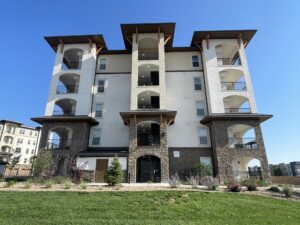
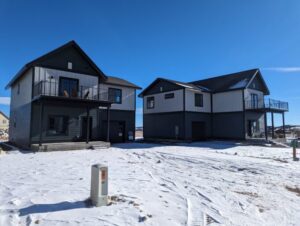
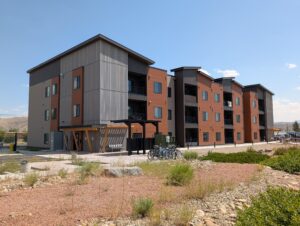
Modular construction now plays a growing role in workforce housing, student housing, hospitality, and multifamily developments. These projects often respond to urgent local needs. Thoughtful design allows modular buildings to reflect local context, aesthetics, and long-term performance goals.
Looking Ahead
Modular construction will continue to evolve as teams adopt system-based thinking and early collaboration. Projects benefit most when designers plan with manufacturing and installation in mind from day one. With the right approach, modular delivery can produce high-quality, code-compliant buildings that meet today’s economic and community demands.