A New Tool for Smarter Design
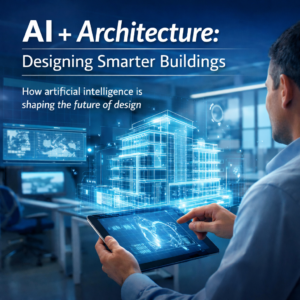
Artificial intelligence is rapidly transforming industries around the world, and architecture and engineering are no exception. While design has always relied on creativity, experience, and collaboration, new AI-powered tools are helping professionals analyze data faster and explore design possibilities that were once difficult to visualize.
At EVstudio, innovation has always been part of the design process. As technology evolves, firms across the architecture, engineering, and construction (AEC) industry are exploring how artificial intelligence can enhance efficiency, improve sustainability, and support better decision-making.
Rather than replacing designers, AI serves as another powerful tool in the design toolbox.
Enhancing Early Design and Planning
One of the most exciting applications of artificial intelligence is during the early stages of project development. AI-driven software can quickly generate multiple building layouts, evaluate zoning requirements, and analyze site conditions.
This allows design teams to compare potential options faster than traditional methods. By running simulations and data analysis, architects and engineers can identify opportunities to improve building performance before construction begins.
For example, AI tools can help evaluate:
- Site orientation and solar exposure
- Energy performance and efficiency
- Space optimization within building layouts
- Material selection and cost considerations
With these insights available early in the process, project teams can make more informed decisions that benefit both clients and future occupants.
Supporting Collaboration Across Project Teams
Architecture and engineering projects require coordination between many disciplines. Architects, structural engineers, mechanical designers, and contractors all contribute to the final product.
Artificial intelligence tools are helping improve this collaboration by organizing complex data and identifying potential conflicts within digital models. When used alongside building information modeling (BIM) platforms, AI can detect coordination issues earlier and reduce the risk of costly changes during construction.
This improved coordination supports smoother project delivery and helps teams maintain design intent throughout the process.
Designing for Sustainability and Performance
Sustainability continues to be a major focus across the building industry. Artificial intelligence is playing a growing role in helping project teams evaluate environmental performance.
AI-powered analysis tools can simulate building energy use, daylight performance, and environmental impacts. These insights allow designers to refine building systems and materials to create more efficient and resilient structures.
As cities continue to grow and energy demands increase, these technologies help support more sustainable communities.
Technology as a Design Partner
Artificial intelligence is not replacing architects or engineers. Instead, it is enhancing the creative process. By handling complex calculations and rapid simulations, AI allows design professionals to spend more time focusing on innovation, problem-solving, and client collaboration.
The future of architecture and engineering will likely include even greater integration of advanced technologies. Firms that embrace these tools will be better positioned to deliver thoughtful, high-performing designs.
At EVstudio, we believe the best solutions combine human expertise with evolving technology. When creativity, collaboration, and smart tools come together, the result is stronger communities and better buildings for the future.