Traversing Colorado’s Wildfire Resiliency Code (CWRC)
In Colorado, wildfires have become increasingly common across the state. Once considered a seasonal threat, wildfires have become a year-round occurrence and a concern for residents, businesses and local governments. In response to this growing risk, Colorado established the Wildfire Resiliency Code Board in 2023 and tasked it with developing and adopting statewide codes and standards to improve wildfire resilience.
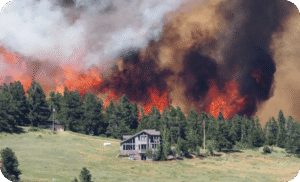
The resulting Colorado Wildfire Resiliency Code (CWRC) was officially adopted on July 1, 2025. These codes provide minimum requirements for new construction and additions within Wildland-Urban Interface (WUI) areas. The codes are designed to enhance the health, safety, welfare, and resiliency of communities while reducing the hazards associated with the increasing risk of wildfires.
Municipalities and jurisdictions throughout Colorado were required to adopt the code minimums by April 1, 2026, and begin implementation and enforcement by July 1, 2026. Individual jurisdictions may choose to implement stricter requirements based on local conditions. The code is intended to establish minimum regulations for safeguarding life and property by mitigating the risk of wildfire and slowing the spread of fire to and from structures.
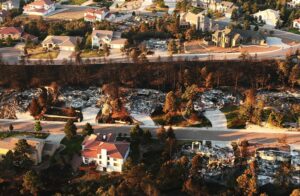
It is important to note that existing structures are not required to meet the new code. However, significant alterations or additions to an existing structure greater than 500 square feet may trigger the need for compliance. This also includes an extensive remodel that replaces more than 25% of exterior walls or roof covering.
Structure Hardening Requirements
CWCR mandates the use of specific fire-resistant building materials for structures in WUI zones. The requirements are based on the zone’s fire intensity classification.
Low Fire Intensity WUI Zones.
CWRC code requires Class 1 structural hardening measures including
- Class A roof coverings and/or assemblies.
- Roof valley flashings installed over 36” wide underlayment.
- Non-Combustible Gutters.
- Ember and flame-resistant vents.
Moderate or High Intensity WUI Zones.
Structures in this zone require that these areas incorporate both Class 1 and Class 2 structural hardening materials. The requirements in this zone include all of the class 1 requirements, and these additional requirements:
- Exterior walls which must be constructed from one or more of the following items:
- Noncombustible materials as verified by ASTM E136.
- Fire-retardant treated wood.
- Heavy timber or log wall construction.
- Other ignition-resistant materials.
- Flashing at wall intersections.
- Enclosed underfloor areas.
- Multi-paned or tempered glass windows.
- Fire rated exterior doors.
- Noncombustible deck walking surfaces.
Defensible Space and Vegetation Management
In addition to construction requirements the CWRC establishes defensible space standards through a tiered home ignition zone (HIZ) system. These requirements extend to the parcel-specific limits of the property line or 100’. The zones include specific requirements for each of the three zones.
Structure Ignition Zone 1 (0-5 feet): Immediate Zone.
The immediate zone is designed to reduce or eliminate ember ignition and direct flame contact with structures. Requirements and recommendations include:
- Use of noncombustible hard surface materials.
- Removal of shrubs, vegetation, plantings, slash and combustible mulch.
- No new tree plantings. Retention of mature trees of a 10-inch diameter at 4.5 feet above ground.
- Construction of retaining walls and fencing within 8 feet shall be non-combustible or ignition resistance.
Structure Ignition Zone 2 (5-30 feet): Intermediate Zone.
The intermediate zone is intended to reduce available fuel as wildfire approaches a structure. Key practices include:
- Removal of hazardous dead plant material.
- Prevention of fuel accumulation of surface fuels such as logs, branches, slash, and combustible mulch.
- Proper maintenance and spacing of trees and shrubs.
Structure Ignition Zone 3 (30-100 feet): Expanded Zone.
The expanded zone focuses on keeping wildfires on the ground and reducing the likelihood of crown fires. Management practices include:
- Tree crowning and spacing.
- Vegetation thinning.
- Ongoing landscape maintenance.
Conclusion
As Colorado communities continue to expand into areas adjacent to forests and open lands, the threats of wildfire will remain a significant concern. The adoption of the Colorado Wildfire Resiliency Code represents a proactive and necessary response to this challenge. By establishing statewide standards for fir-resistance construction and defensible space management, the CWRC aims to improve community resilience, protect lives and property and help maintain the long-term insurability of homes throughout Colorado.