
Veterinary Facility Design: Tips and Tricks from an Architectural Designer
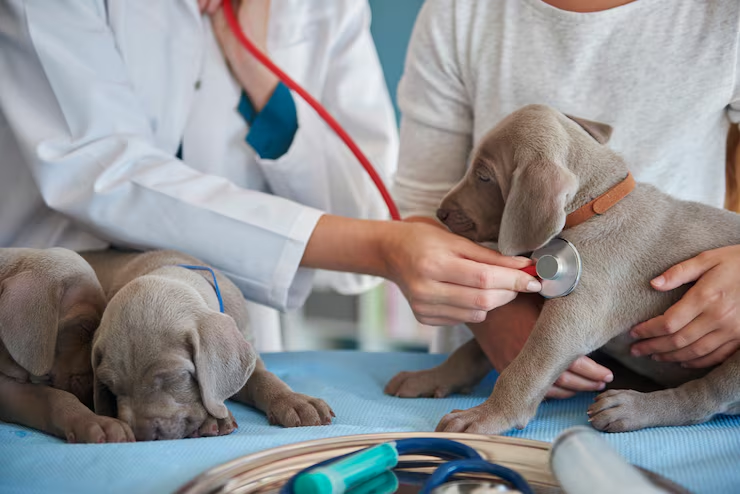 In third grade, I pinky promised a friend that I would become a veterinarian. Needless to say, I never followed through on that playground promise. However, I did discover a different passion. I love designing the spaces where veterinarians and their teams provide care every day.
As an architectural designer, I have worked on many veterinary clinics and hospitals. Each project has taught me something new. Veterinary design requires balancing functionality, efficiency, and empathy. Therefore, I want to share a few tips that can help your next veterinary facility project run more smoothly.
Bring the Contractor in Early
First, bring an experienced contractor into the design process early. Veterinary projects involve many specialized elements. As a result, an experienced contracting team can offer valuable input from the start.
I worked with HC Company on many of my projects. They joined early and provided useful information throughout design and construction. Consequently, the whole process ran more smoothly. In addition, early collaboration builds a stronger team dynamic between the owner, architect, and contractor.
Work Closely with Equipment Providers
Next, equipment providers play a critical role in veterinary design. They work directly with the client to understand their equipment needs. Early in the process, the architectural team shares the floor plan. Then, the equipment provider lays out cabinetry and equipment accordingly.
Once their design firms up, they send their equipment layout back to the architect. The architect then updates the plans and checks code compliance. This exchange often repeats a few times before the team finalizes the design.
Does the X-Ray Room Need Lead Lining?
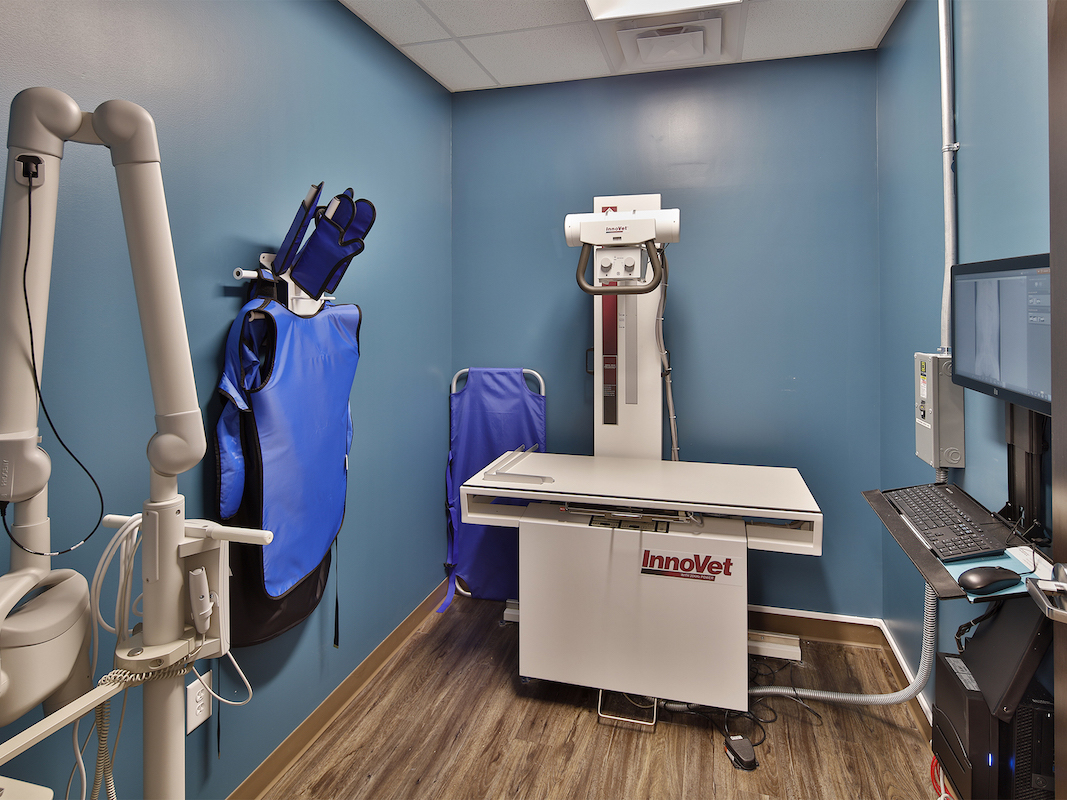
Determining whether an x-ray room needs lead lining can get tricky. First, work closely with the owner to gather details. The owner must provide product information for the specific x-ray machine. This information supports a required physicist report.
The report ultimately determines whether the room needs lead lining. For guidance on radiation safety standards, see the American College of Radiology resources. In my experience, many machines do not require lining. However, some owners choose to add it anyway, in case future equipment needs it.
Design a User-Friendly Reception Desk
The reception desk creates the first impression for owners and patients. Therefore, a few design details can make a big difference.
Many clients request hooks for leashes near the desk. This feature lets owners secure their pets while completing paperwork. Additionally, choose a cleanable finish for the desk’s exterior surface. Accidents happen often in veterinary lobbies. A durable, easy-to-clean material keeps the space sanitary and welcoming.
Designing the Room for Saying Goodbye
Not every space in a veterinary facility supports happy outcomes. Sometimes, owners must say goodbye to a beloved pet. The euthanasia room is often the hardest room to design. However, thoughtful planning can ease this difficult experience for everyone involved.
This section covers a heavier topic. Feel free to skip ahead if you prefer.
Provide a Private Exterior Exit
First, include an exterior door that leads directly to the parking lot. After saying goodbye, owners should not have to walk through a crowded waiting room. A private exit reduces unwanted attention and additional stress.
Choose the Right Exam Table
Next, consider the exam table carefully. Some veterinarians prefer a lift table to support larger patients. Others prefer a foldable table for extra floor space. Therefore, coordinate this choice with both the veterinarian and the equipment provider early on.
Plan a Discreet Transport Path
Finally, plan the transport path from the euthanasia room to refrigerated storage. This path should minimize the chances of owners seeing the transport. Locating the room near the treatment area helps reduce foot traffic. In one project, we even added a curtain along the transport hallway for extra privacy.
Final Thoughts
These tips represent just a few lessons from my experience designing veterinary clinics and hospitals. Every project brings its own unique challenges. However, understanding these common elements can make the design process easier. I hope these insights help your next veterinary project go a little smoother. I am sure I will have more to share in the future.


