Beyond Speed – Modular Construction Is Changing the Way We Build
When people hear the term “modular construction,” the first benefit that usually comes to mind is speed. Building significant portions of a project in a factory while the site is being prepared can certainly reduce the overall construction schedule. But focusing only on speed overlooks many of the reasons modular construction has become an increasingly attractive option for developers, housing providers, and commercial building owners.
The greatest value of modular construction often comes from predictability.
Predictability Over Speed
Unlike traditional site-built construction, modular buildings are assembled in a controlled manufacturing environment. Protected from weather and built using repeatable processes, modules can achieve a high level of quality and consistency. Factory conditions also allow trades to work more efficiently, reducing interruptions caused by rain, snow, or extreme temperatures.
For project owners, this predictability can translate into fewer surprises. Material procurement, quality control, and production schedules are generally easier to manage in a manufacturing setting than on an active construction site. While no project is immune to unforeseen challenges, modular construction can help reduce many of the variables that affect schedule and budget.
Another advantage is improved coordination.
Improved Coordination Across Teams
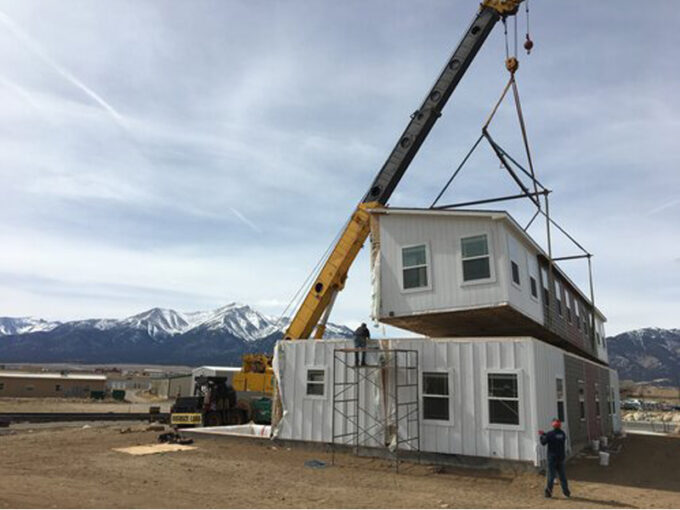
Successful modular projects require architects, engineers, manufacturers, and contractors to collaborate much earlier in the design process. Because individual modules must be transported, lifted, and assembled with precision, many design decisions are finalized sooner than they might be on a conventional project.
Although this early coordination requires additional planning upfront, it often results in smoother construction and fewer field modifications later. Resolving potential conflicts before production begins can save both time and money during installation.
Sustainability Benefits
Modular construction also offers meaningful sustainability benefits.
Factory production can reduce material waste through standardized processes and more efficient use of materials. The controlled environment also allows manufacturers to better manage recycling and material handling than is often possible on a busy job site. Fewer deliveries to the construction site and a shorter onsite construction period can also reduce neighborhood disruption and environmental impacts.
Opportunities for Housing Projects
For housing projects in particular, modular construction presents exciting opportunities. As communities across the country work to address housing shortages and affordability challenges, modular methods can provide apractical way to deliver high-quality housing more efficiently. Affordable housing, workforce housing, student housing, hospitality, and senior living projects have all demonstrated successful applications of modular design.
Knowing When Modular Isn’t the Right Fit
That said, modular construction is not the right solution for every project.
Site constraints, transportation limitations, building configuration, local regulations, and project goals all influence whether modular construction is the best approach. The decision is most successful when it is evaluated early—before the design is too far along. Waiting until construction documents are nearly complete often limits the opportunities to fully realize the benefits of modular construction.
A New Way of Thinking About Design and Construction
Ultimately, modular construction is not simply about building faster. It represents a different way of thinking about the design and construction process—one that emphasizes collaboration, quality, efficiency, and careful planning from the very beginning.
As architects, our role is to help owners evaluate the full range of options available for their project. Whether a building is constructed traditionally, prefabricated, or fully modular, the goal remains the same: delivering a durable, functional building that meets the client’s needs while making the best use of available time and resources.