ASCE 7-22 Snow Drift Changes: What Engineers Need to Know
ASCE 7-22 changed how we calculate snow drifts, and the impact runs deeper than most engineers expect. The updated ground snow load maps got the headlines. However, the drift provisions may reshape roof design even more. These revisions target real accumulation patterns and regional wind climates. If you design roofs, these ASCE 7-22 snow drift changes deserve a close read.
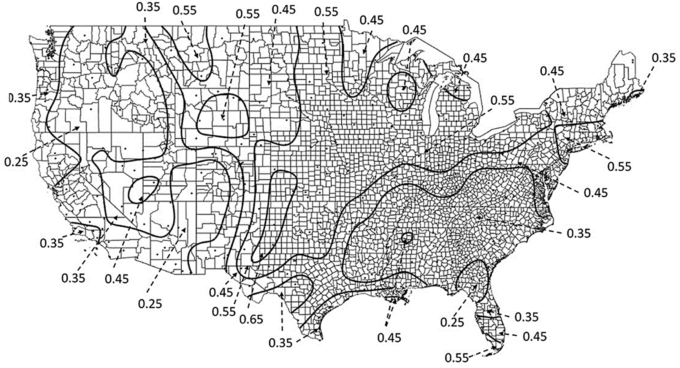
The Winter Wind Parameter (W₂)
What changed
ASCE 7-16 leaned on ground snow load, roof geometry, and fetch length. ASCE 7-22 adds a location-specific wind measure: the winter wind parameter, W₂. W₂ is the percentage of time from October through April when wind speeds reach at least 10 mph. That threshold is generally enough to transport snow.
Why it matters
As a result, two sites with identical snow loads can produce very different drifts. Strong winter winds mean bigger drifts. Calm winters mean smaller ones. Consequently, W₂ gives a more realistic estimate of how snow redistributes on roofs.
Revised Windward Drift Provisions
ASCE 7-22 also reworked windward drifts. The commentary cites 2018 research on windward drift formation. That study found prior code assumptions often underestimated windward accumulation. Therefore, the new standard revises the windward drift width provisions.
Now you must evaluate windward and leeward drifts separately. Then you determine which condition controls. In some cases, the windward drift governs design even where older editions suggested otherwise.
Windward Drift Can Exceed Parapet Height
Here’s the surprising one. Under ASCE 7-22, the calculated windward drift height is not automatically capped by the parapet or roof-step height. The committee intentionally reconsidered its earlier geometry assumptions. Accordingly, a calculated drift can rise above the physical parapet, depending on conditions and the governing equations.
This breaks with how many engineers read prior editions. So review the provisions and commentary carefully near parapets and roof projections.
The Bottom Line
The jump from ASCE 7-16 to ASCE 7-22 is more than new snow maps. The W₂ parameter, revised windward provisions, and commentary guidance all shift design loads. Pay special attention to parapets, roof steps, penthouses, and equipment screens. Overall, ASCE 7-22 reflects snow drift behavior more honestly, backed by recent research and field performance.
Take the Next Step
Pull W₂ for your site from the ASCE 7 Hazard Tool. Then rerun your controlling drift cases and compare them against your old ASCE 7-16 numbers before your next roof design.
Resources
- STRUCTURE Magazine, Snow and Rain Loads in ASCE 7-22: https://www.structuremag.org/article/snow-and-rain-loads-in-asce-7-22/
- ASCE, Snow Loads in ASCE 7-22 — What’s New and Different (webinar): https://www.asce.org/education-and-events/explore-education/on-demand-webinars/snow-loads-in-asce-7-22—what-s-new-and-different/
- ASCE Standards Exchange, Is windward snow drift capped at hc?: https://collaborate.asce.org/standards-exchange/question/asce-7-22-is-windward-snow-drift-capped-at-hc