How Wildfire Building Codes Are Reshaping Architecture
Wildfires have long been a natural part of the American landscape, particularly in the western United States. However, communities keep expanding into previously undeveloped areas, and wildfire hazards increasingly threaten populated regions. As a result, the relationship between buildings and their surrounding environment is receiving renewed attention.
For architects, builders, developers, and property owners, this has brought an important evolution in building regulations: the emergence and expanding adoption of wildfire building codes. These regulations represent a significant shift in how we approach building safety.
Traditionally, building codes have focused on protecting occupants from fires that start inside buildings. Wildfire codes add another consideration: protecting buildings from fires that start outside the structure.
Understanding the Wildland-Urban Interface
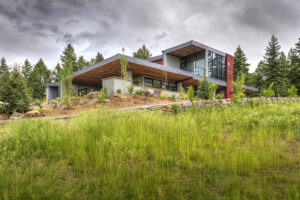
At the center of wildfire-related building regulations is the Wildland-Urban Interface, commonly called the WUI. The WUI describes areas where human development meets or intermingles with undeveloped land. That land contains vegetation and other potential wildfire fuels.
Mountain communities and forested neighborhoods are obvious examples. However, wildfire exposure isn’t limited to remote cabins surrounded by trees. Suburban developments, grassland communities, and neighborhoods bordering open space can also face significant wildfire hazards.
The Marshall Fire in Boulder County, Colorado, in December 2021 showed how rapidly a wind-driven wildfire can move through developed communities. The disaster reinforced the importance of considering wildfire exposure in both building design and community planning.
The Evolution of Wildfire Building Codes
Although wildfire codes are receiving increased attention, they aren’t entirely new. The International Code Council published the first edition of the International Wildland-Urban Interface Code (IWUIC) in 2003. The code established a framework for addressing wildfire hazards through building construction, defensible space, emergency access, and water supply.
For many years, adoption and enforcement varied considerably among jurisdictions. Some communities developed comprehensive wildfire protection requirements. Others relied mainly on voluntary mitigation programs or existing fire regulations.
That approach is changing. As wildfire losses have increased, state and local governments have begun setting more consistent requirements for wildfire-resistant construction.
Colorado’s Changing Regulatory Landscape
Colorado provides a particularly relevant example. In 2023, the state established the Wildfire Resiliency Code Board through Senate Bill 23-166. The board then adopted the 2025 Colorado Wildfire Resiliency Code. The Colorado Wildfire Resiliency Code Board posts the code, its WUI map, and ongoing updates for designers and jurisdictions. The code sets minimum standards intended to reduce wildfire risk in designated WUI areas.
This marks a transition away from jurisdictions addressing wildfire hazards independently and toward a more coordinated regulatory framework. For Colorado’s construction industry, statewide minimum standards are an important development. The 2025 code establishes a framework for new construction and certain exterior improvements within designated wildfire-prone areas.
For architects and builders, this means evaluating wildfire considerations early in the design process instead of resolving them during permitting. Several early questions may influence a project’s scope and budget: whether a property falls within a regulated WUI area, which construction requirements apply, and how building materials coordinate with site design.
Local adoption and enforcement remain important. Design professionals must verify the requirements for the specific jurisdiction and project, including any local amendments or more restrictive standards. Jefferson County, for example, adopted its own wildfire construction requirements through Appendix Z years before the statewide code.
What Do Wildfire Codes Mean for Building Design?
Wildfire-resistant construction requires architects and builders to consider three kinds of exposure: radiant heat, direct flame contact, and windborne embers. Embers are particularly concerning. They can travel considerable distances ahead of an active wildfire and ignite vulnerable building components. Consequently, wildfire codes address several aspects of building design that conventional regulations haven’t emphasized as much.
Roofing and exterior materials: Roof assemblies, exterior walls, and other exposed components play a critical role in wildfire resistance. Requirements may include Class A roof coverings, ignition-resistant exterior materials, and limits on combustible construction elements.
Vents and building openings: Attic vents, crawlspace vents, and other openings can give windborne embers a path into concealed spaces. Wildfire-resistant design may require specialized vent assemblies and added protection at vulnerable openings.
Decks and exterior attachments: Decks, balconies, fences, and other exterior features can create pathways for fire to spread toward a building. Material selection, construction detailing, and how these features connect to the primary structure all become important considerations.
Windows and glazing: Windows can be vulnerable to intense radiant heat and direct flame exposure. Depending on the applicable code and hazard classification, requirements may include tempered glazing or other protective measures.
Defensible space and landscaping: Wildfire resilience extends beyond the building envelope. Vegetation management, landscaping materials, and the arrangement of combustible features around a building can significantly affect its vulnerability.
This introduces a particularly important design principle: the building and its surrounding site must be considered together.
Balancing Resilience, Cost, and Architectural Design
As with any major change in building regulations, wildfire codes introduce challenges. Ignition-resistant materials, specialized construction assemblies, and site mitigation can increase initial construction costs. Existing buildings may present additional difficulties when renovations trigger wildfire-resiliency requirements.
There are also architectural considerations. Exterior material palettes, roof details, decks, and landscape designs may need to evolve to accommodate wildfire-resistant construction.
However, these requirements also present opportunities. Manufacturers continue to develop products that combine durability, aesthetic flexibility, and improved fire performance. Architects can build wildfire resilience into the earliest stages of design, which reduces the need for costly revisions later.
Perhaps most importantly, the discussion is shifting. Instead of simply meeting minimum code requirements, the focus is moving toward buildings that are better prepared for the conditions they may face over their service lives.
The Future of Wildfire-Resilient Architecture
Wildfire codes will likely become an increasingly familiar part of the regulatory landscape, particularly in regions with continued development near wildfire-prone areas. Their evolution reflects a broader change in the architectural profession. Energy codes transformed building envelopes, and seismic codes influenced structural design. In the same way, wildfire codes are beginning to shape how buildings interact with their surroundings.
No building can be made completely wildfire-proof. However, thoughtful design, appropriate materials, sound construction detailing, and responsible site planning can significantly improve a building’s ability to withstand wildfire exposure.
The emergence of wildfire codes is more than another layer of regulation. It’s an important step toward designing buildings that respond to the changing risks of the places we build. For architects, builders, and property owners, understanding these requirements today will be essential to creating more resilient communities tomorrow.
Planning a project in a wildfire-prone area? Talk with our team early about how wildfire building codes may shape your design.