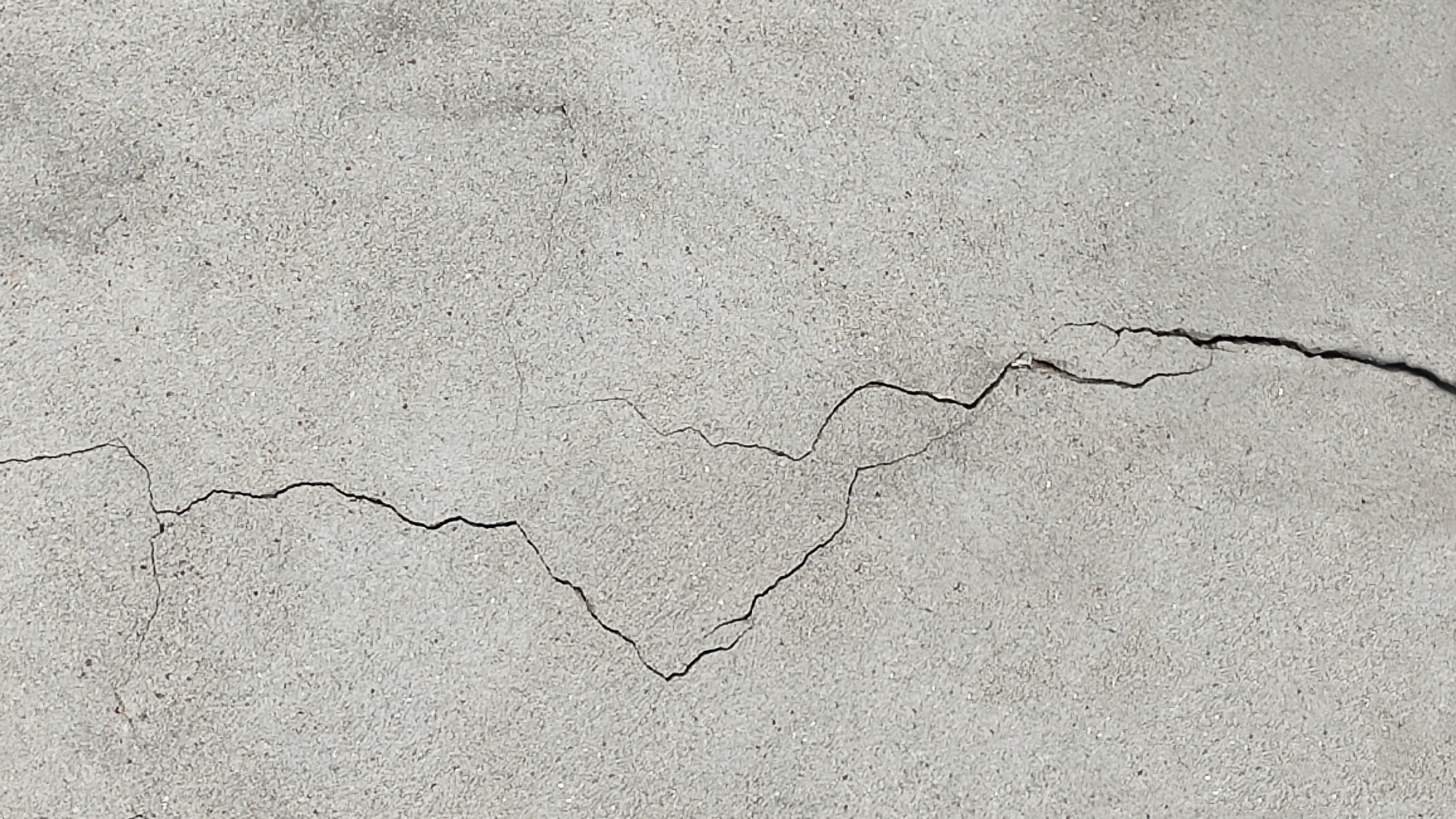
Concrete cracks over time. Water seeps into these gaps and damages internal structures. Traditional repairs demand significant time, labor, and money. Self-healing concrete solves this problem by repairing itself autonomously. This breakthrough material promises stronger, safer, and longer-lasting infrastructure.
The Science Behind Self-Healing Concrete
So, how exactly does this technology work? Scientists embed dormant, limestone-producing bacteria into the concrete mixture. These bacteria can survive inside the harsh alkaline environment of concrete for decades. When a crack eventually forms, water and oxygen enter the gap. This moisture wakes up the dormant bacteria. The bacteria consume the embedded nutrient source, such as calcium lactate. They excrete calcium carbonate, commonly known as limestone, as a byproduct. This limestone gradually fills the crack from the inside out.Researchers at the University of Bath are continually testing bacterial strains, aiming to ensure these microscopic repair agents thrive in various climates and environments.
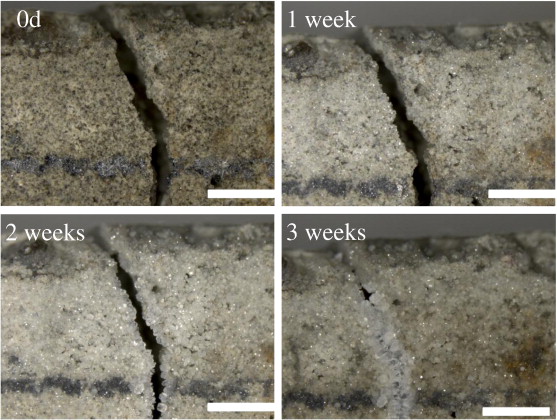
Concrete Strength: Before and After Healing
Does this biological process compromise the structural integrity of the building material? Data shows the exact opposite.
| Concrete Property | Performance Impact |
|---|---|
| Initial Compressive Strength | Increases by 10% to 24% compared to normal concrete. |
| Strength Recovery After Cracking | Regains 60% to over 90% of its original mechanical properties. |
| Tensile & Flexural Strength | Shows noticeable improvements due to microcapsule aggregates. |
Initially, the specialized bacterial additives actually densify the material matrix. This bio-mineralization process fills internal pores and increases initial compressive strength.
Once a crack develops and heals, the structural integrity returns. Studies published by Plexxis Software show that healed concrete recovers over 90% of its original strength. The limestone bond is robust enough to withstand subsequent heavy loading without failing at the original fracture point.
How Realistically Feasible Is It?
You might wonder if this futuristic building material is a practical option today. The answer is yes, but it requires strategic planning.
In the past, high cultivation costs made bacterial concrete prohibitively expensive. Today, companies like Basilisk offer self-healing concrete products to the commercial market. The initial price premium for self-healing concrete currently adds a surcharge of roughly 10% to 50% to the cost of raw materials. However, this premium pays off over time.
Conventional concrete repair and maintenance burden infrastructure budgets globally. Self-healing concrete drastically cuts down on recurring repair costs. This material reduces the need for constant maintenance while extending the overall lifespan of structures.
Looking Ahead
Self-healing concrete is rapidly moving from laboratory experiments to practical reality. Scientists continually test new bacterial strains to optimize performance. As manufacturing processes scale up, prices will drop further. Living concrete represents a massive shift in construction philosophy. Instead of simply patching damage, we now build structures with the ability to heal themselves. This technology paves the way for a more sustainable, resilient, and maintenance-free built environment.